Vocabulary Building
Many middle schoolers quietly struggle with vocabulary, especially when they’re bright but “allergic” to worksheets and flashcards. A parent once shared that her 7th grade son, Malik, loved video games and YouTube but froze on reading tests because “the words feel like a foreign language.” She decided to experiment: instead of nagging him to “study vocab,” she built tiny word habits into their everyday life, during cooking, car rides, and even gaming breaks.
Within a few months, his confidence and comprehension improved, and he started acknowledging words in shows and books on his own. This kind of shift is possible for homeschool families too, especially when vocabulary practice feels like real life, not just school. Below are five parent-friendly tips you can use at home, especially in a homeschool setting to build a strong, flexible vocabulary for your middle schooler.
Within a few months, his confidence and comprehension improved, and he started acknowledging words in shows and books on his own. This kind of shift is possible for homeschool families too, especially when vocabulary practice feels like real life, not just school. Below are five parent-friendly tips you can use at home, especially in a homeschool setting to build a strong, flexible vocabulary for your middle schooler.

1. Turn Reading Into “Word Treasure Hunts”
Reading is still the single most powerful way to grow vocabulary, and just 15–30 minutes a day can make a real difference. For homeschoolers, you can build this into independent reading, read-alouds, and content-area texts (science, history, etc.).
Try these at home:
Keep a “Treasure Words” notebook: When your child hits a new or interesting word in a book, show, or article, they pause, underline or jot it, then you briefly discuss what it might mean using context clues. Later, they add a quick kid-friendly definition and a sentence to the notebook.
Use audiobooks + print: Listen to an audiobook while following along with the physical or digital text so your child hears and sees new words in context. Pause occasionally to say, “Ooh, that’s a powerful word. What do you think it means here?”
For reluctant readers, start with high-interest nonfiction (sports, animals, tech, biographies) or graphic novels and still treat new words as “treasures,” not quiz questions.
Reading is still the single most powerful way to grow vocabulary, and just 15–30 minutes a day can make a real difference. For homeschoolers, you can build this into independent reading, read-alouds, and content-area texts (science, history, etc.).
Try these at home:
Keep a “Treasure Words” notebook: When your child hits a new or interesting word in a book, show, or article, they pause, underline or jot it, then you briefly discuss what it might mean using context clues. Later, they add a quick kid-friendly definition and a sentence to the notebook.
Use audiobooks + print: Listen to an audiobook while following along with the physical or digital text so your child hears and sees new words in context. Pause occasionally to say, “Ooh, that’s a powerful word. What do you think it means here?”
For reluctant readers, start with high-interest nonfiction (sports, animals, tech, biographies) or graphic novels and still treat new words as “treasures,” not quiz questions.
2. Use Everyday Conversations As Vocabulary Practice
The richest vocabulary often comes from real conversations, not isolated word lists. As a homeschooling parent, you’re with your child in many settings like meals, running errands, doing chores, and more. These time are perfect for natural word learning.
Simple routines that work:
“Upgrade the word”: When your child uses a basic word (“good,” “bad,” “big”), play a 30-second game of finding a stronger word together:
“good → impressive”
“bad → disastrous”
“big → enormous”
Make it playful, not corrective, and take turns upgrading your own words too.
Talk through real topics: Discuss current events, science ideas, or family decisions using richer language than you’d normally use, then quickly explain any tricky word in kid-friendly terms (“consequence means what happens because of a choice”).
Malik’s mom started doing this at dinner: instead of “How was your day?” she’d say, “What’s one frustrating thing and one fascinating thing you learned today?” and they would unpack “frustrating” and “fascinating” together.
The richest vocabulary often comes from real conversations, not isolated word lists. As a homeschooling parent, you’re with your child in many settings like meals, running errands, doing chores, and more. These time are perfect for natural word learning.
Simple routines that work:
“Upgrade the word”: When your child uses a basic word (“good,” “bad,” “big”), play a 30-second game of finding a stronger word together:
“good → impressive”
“bad → disastrous”
“big → enormous”
Make it playful, not corrective, and take turns upgrading your own words too.
Talk through real topics: Discuss current events, science ideas, or family decisions using richer language than you’d normally use, then quickly explain any tricky word in kid-friendly terms (“consequence means what happens because of a choice”).
Malik’s mom started doing this at dinner: instead of “How was your day?” she’d say, “What’s one frustrating thing and one fascinating thing you learned today?” and they would unpack “frustrating” and “fascinating” together.
3. Make Words Visual, Funny, and Active
Middle school students remember words better when they connect them to images, movement, or stories. This is perfect for homeschool because you can go low-tech with paper, markers, and a bit of silliness.
Try these activities:
Sketch-it cards: On index cards or a digital slide, your child writes the word and definition on one side, then draws a funny or memorable picture on the other that captures the meaning. The picture can be exaggerated—this actually helps memory.
Charades or improv: Put vocabulary words in a bowl; you and your child act out or improvise a tiny skit using the word. Others have to guess which word it is. This works well with multiple kids or even with one child and a parent switching roles.
Connection maps: Have your child put a word in the center of a page and draw branches to synonyms, antonyms, examples, and pictures, turning it into a mini mind map.
These strategies build deeper understanding than memorizing a definition because your child connects the word to images, emotions, and prior knowledge.
Middle school students remember words better when they connect them to images, movement, or stories. This is perfect for homeschool because you can go low-tech with paper, markers, and a bit of silliness.
Try these activities:
Sketch-it cards: On index cards or a digital slide, your child writes the word and definition on one side, then draws a funny or memorable picture on the other that captures the meaning. The picture can be exaggerated—this actually helps memory.
Charades or improv: Put vocabulary words in a bowl; you and your child act out or improvise a tiny skit using the word. Others have to guess which word it is. This works well with multiple kids or even with one child and a parent switching roles.
Connection maps: Have your child put a word in the center of a page and draw branches to synonyms, antonyms, examples, and pictures, turning it into a mini mind map.
These strategies build deeper understanding than memorizing a definition because your child connects the word to images, emotions, and prior knowledge.

4. Build Simple, Sustainable Word Routines
Vocabulary grows best with small, repeated exposure over time. You don’t need an elaborate curriculum, just consistent, predictable routines that fit your homeschool flow.
Easy routines to plug into your week:
Word of the Day (or Week): Choose 3–5 “high-utility” words for the week—words that show up across subjects like “analyze,” “contrast,” “hypothesis,” or “consequence.” Post them on a wall or whiteboard and challenge your child to use each in speaking and writing at least three times that week.
TV/game word challenge: Keep a notepad by the TV or gaming area; your child writes down one new or interesting word each time they watch a show or play. Afterwards they look it up, write a quick meaning, and try to teach it to you or a sibling.
Weekly review game: On Fridays, review the week’s words using a quick game like matching, memory, Pictionary, or a “silly story” where you both try to use all the words in one ridiculous paragraph.
These routines are especially helpful for homeschool families because they weave vocabulary into the natural rhythm of home life without adding heavy extra “work.”
Vocabulary grows best with small, repeated exposure over time. You don’t need an elaborate curriculum, just consistent, predictable routines that fit your homeschool flow.
Easy routines to plug into your week:
Word of the Day (or Week): Choose 3–5 “high-utility” words for the week—words that show up across subjects like “analyze,” “contrast,” “hypothesis,” or “consequence.” Post them on a wall or whiteboard and challenge your child to use each in speaking and writing at least three times that week.
TV/game word challenge: Keep a notepad by the TV or gaming area; your child writes down one new or interesting word each time they watch a show or play. Afterwards they look it up, write a quick meaning, and try to teach it to you or a sibling.
Weekly review game: On Fridays, review the week’s words using a quick game like matching, memory, Pictionary, or a “silly story” where you both try to use all the words in one ridiculous paragraph.
These routines are especially helpful for homeschool families because they weave vocabulary into the natural rhythm of home life without adding heavy extra “work.”
5. Use Homeschool-Friendly Resources (Without Overwhelming Yourself)
There are many tools that can support vocabulary, but the goal is to complement, not replace, authentic reading and conversation. Pick one or two that fit your child and keep the focus on meaning and usage, not just quizzes.
Resource ideas for parents:
Books and read-aloud lists: Look for middle-grade novels and nonfiction recommended by literacy organizations and homeschool groups, and use them as your main vocabulary “curriculum.” Pause briefly at rich words and talk about them with kid-friendly examples.
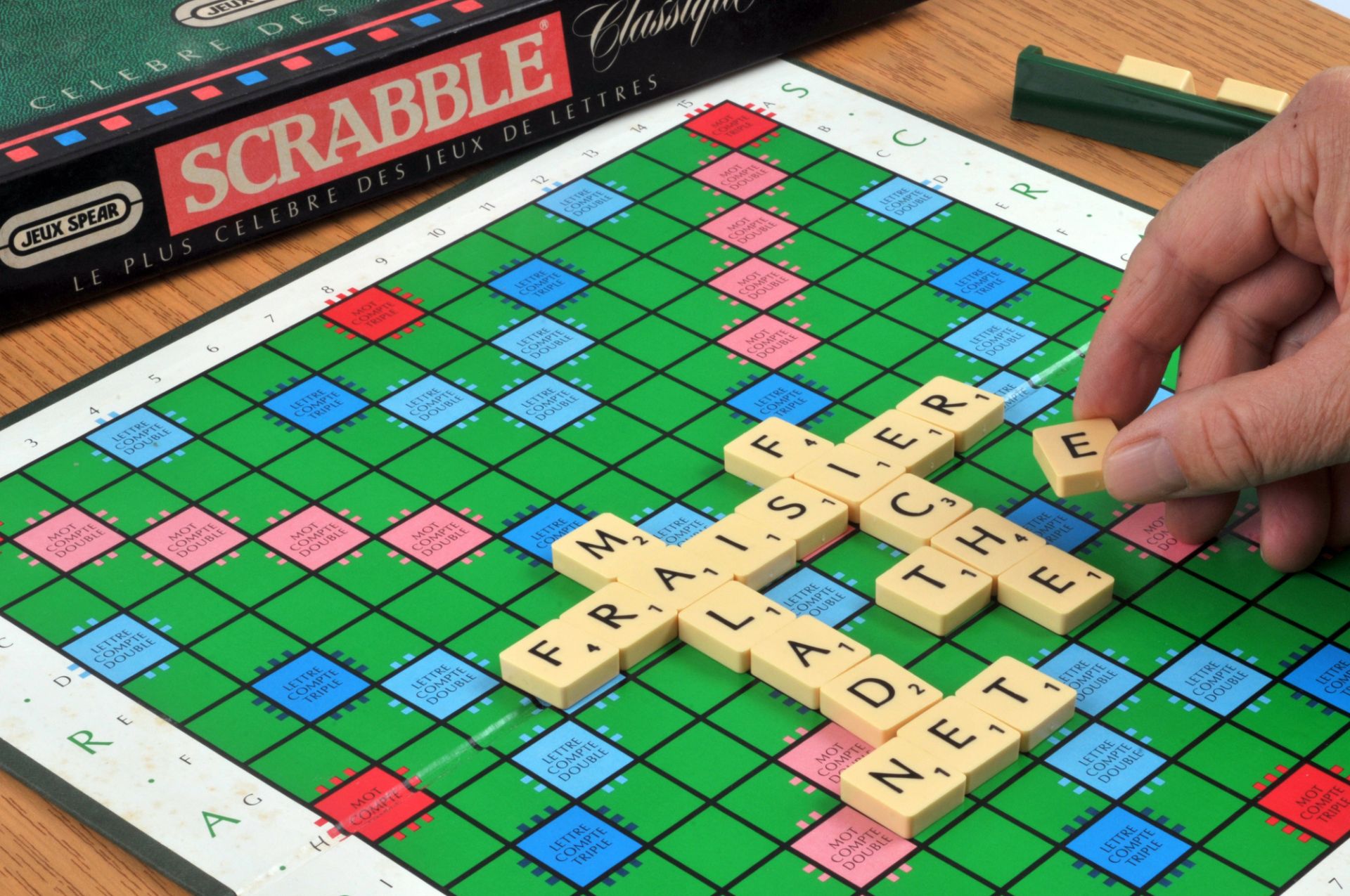
Word games: Board games and puzzles like Scrabble, Boggle, and crosswords help kids see word patterns and spelling while having fun. Online vocabulary games from reputable literacy sites can work too, as long as they’re a small part of a broader routine.
Graphic organizers: Simple templates like the Frayer model (word, definition, example, non-example, picture) or vocabulary maps can be printed once and reused for many words across your homeschool subjects.
If you’re homeschooling multiple kids, you can keep one shared “Family Word Wall” where everyone posts new words they encounter and adds a quick sketch or sentence. This builds a shared culture of curiosity about language.
A quick word to parents
Vocabulary growth is a long game, not a one-week fix. If you consistently read, talk, play, and notice words with your middle schooler, you are already doing powerful literacy work—whether or not it looks like traditional “vocab homework.” Over time, your child will not only know more words but also feel more confident tackling challenging texts in every subject, which is one of the best gifts you can give them in your homeschool journey.
There are many tools that can support vocabulary, but the goal is to complement, not replace, authentic reading and conversation. Pick one or two that fit your child and keep the focus on meaning and usage, not just quizzes.
Resource ideas for parents:
Books and read-aloud lists: Look for middle-grade novels and nonfiction recommended by literacy organizations and homeschool groups, and use them as your main vocabulary “curriculum.” Pause briefly at rich words and talk about them with kid-friendly examples.
Word games: Board games and puzzles like Scrabble, Boggle, and crosswords help kids see word patterns and spelling while having fun. Online vocabulary games from reputable literacy sites can work too, as long as they’re a small part of a broader routine.
Graphic organizers: Simple templates like the Frayer model (word, definition, example, non-example, picture) or vocabulary maps can be printed once and reused for many words across your homeschool subjects.
If you’re homeschooling multiple kids, you can keep one shared “Family Word Wall” where everyone posts new words they encounter and adds a quick sketch or sentence. This builds a shared culture of curiosity about language.
A quick word to parents
Vocabulary growth is a long game, not a one-week fix. If you consistently read, talk, play, and notice words with your middle schooler, you are already doing powerful literacy work—whether or not it looks like traditional “vocab homework.” Over time, your child will not only know more words but also feel more confident tackling challenging texts in every subject, which is one of the best gifts you can give them in your homeschool journey.
Join our Facebook Community Today
Homeschool Success Hub by CBES Academy: Parent Support Page
Write your awesome label here.
“Vocabulary isn’t about memorizing fancy words. It’s about giving kids the language to say what they really think and feel. Every new word you explore together is one more way for your child to understand the world and be understood in it.”
- Center for Best Educational Solutions
- Center for Best Educational Solutions
More Ideas for Using Math Journals:
-
Vocabulary Development
-
Progress Tracking
-
Anchor Chart Creations
-
Making Connections
-
Asking Questions about Concepts
-
Create Mathematical Stories
-
Math Goal Setting
-
Summaries for Concepts
-
Peer Review
-
Problem Solving Logs
-
Connections to Life
-
Concept Mapping
-
Finding the Mistakes
-
Record findings from Experiments or Investigations
-
Portfolios to document student growth
Latest from our blog
Courses
Created with